The gardens at Darley House were originally landscaped by Sir Joseph Paxton, Head Gardener at Chatsworth and later designer of the Crystal Palace, after he purchased the house in 1845.
Kate Colquhoun writes in A Thing in Disguise: The Visionary Life of Joseph Paxton:
“”With some of their railway profits, Paxton and Sarah (his wife) bought Darley House, a Georgian farmhouse with 1 1/2 acre garden on the Bakewell Road in Darley Dale. It was a sign of their established prosperity and they may have lived there from the time they took possession that autumn until the end fo the year, while Barbrook (their house on the Chatsworth Estate) was completed though it was leased fairly quickly after that to a Mr Adam Washington. Paxton laid out the gardens there and, a couple of years later, built a small conservatory attached to the house.”
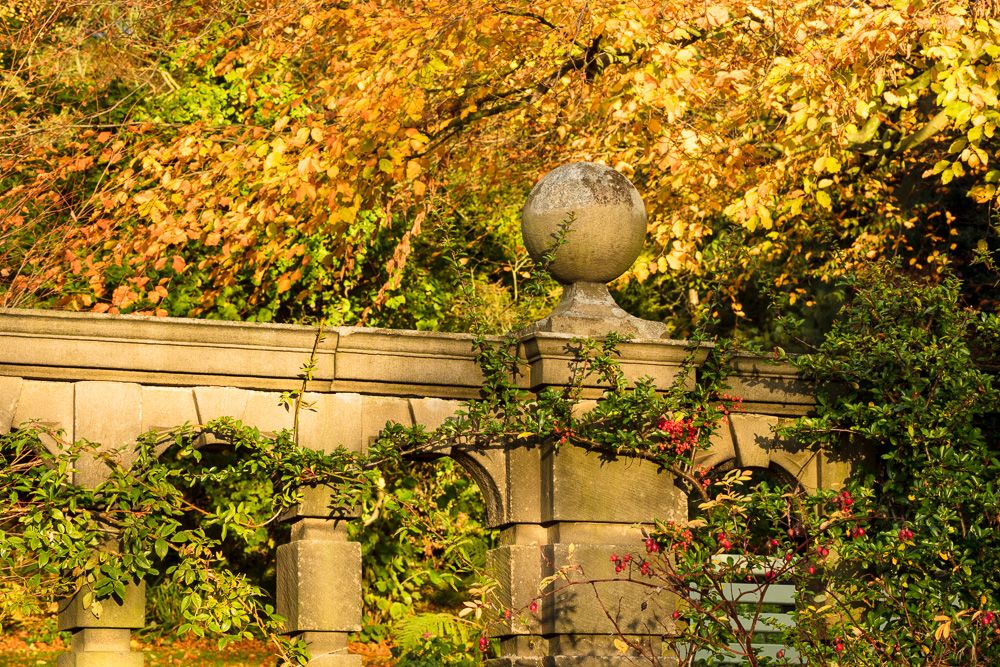
The gardens still retain many features associated with Paxton’s distinctive style and vision. These include the stone balustrade and terraces designed to manage the changing levels of the site, echoing the stone arch detailing found at nearby Haddon Hall, and two magnificent copper beech trees — one dramatically positioned on a central mound, a characteristic Paxton design feature.
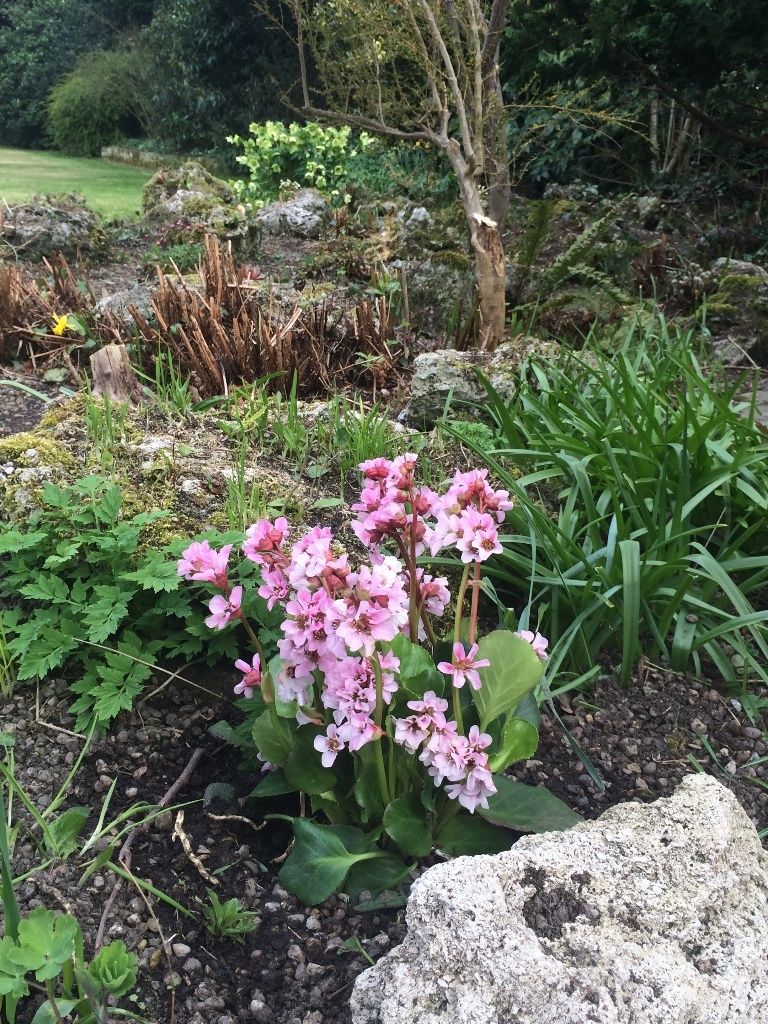
Other remarkable plantings include a giant redwood and two ginkgo biloba trees planted by Paxton himself, believed to be among the oldest examples in Derbyshire and possibly among the oldest in the country. A small rock garden and sweeping lawns complete the landscape, which continues to evolve today as we carefully restore and nurture the gardens for future generations to enjoy.
It was the gardens and their remarkable legacy that first drew us to Darley House when we viewed the property in the summer of 2009. During the early years of restoring the house itself, the gardens inevitably took more of a back seat, but they are now receiving the care and attention they truly deserve.
The success of Darley House as a holiday home has enabled us to reinvest in the gardens and gradually restore them under the guidance of our gardener, David Beard. Over recent years, many areas have been brought back under control, thoughtfully replanted and carefully nurtured.
Like many aspects of our journey with Darley House, meeting David felt like a piece of serendipity. During Covid, I received a call from someone describing himself as a “ginkgo enthusiast”. He explained that ginkgo trees pre-date the dinosaurs and told me fascinating stories about their pollination and survival over millions of years.
David first visited to care for our two historic ginkgo biloba trees, carefully pruning watershoots and bringing specialist compost to improve their health. It quickly became clear that these extraordinary trees — and the gardens around them — needed more knowledgeable and passionate custodians and we were glad to have David on board.
The gardens at Darley House reveal layers of history for those who look closely. As you explore the gravel paths and terraces, you may spot:
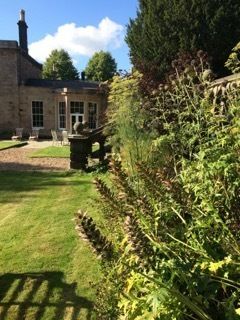
Generations of families have gathered on the stone steps overlooking the lawns — a favourite place for photographs for well over a century.
The gardens at Darley House are cared for with biodiversity and sustainability in mind, balancing historic planting with a gentler, nature-friendly approach. Within the one-acre grounds are more than 30 varieties of trees, including specimen copper beeches, a giant redwood and two remarkable ginkgo biloba trees planted by Joseph Paxton himself.
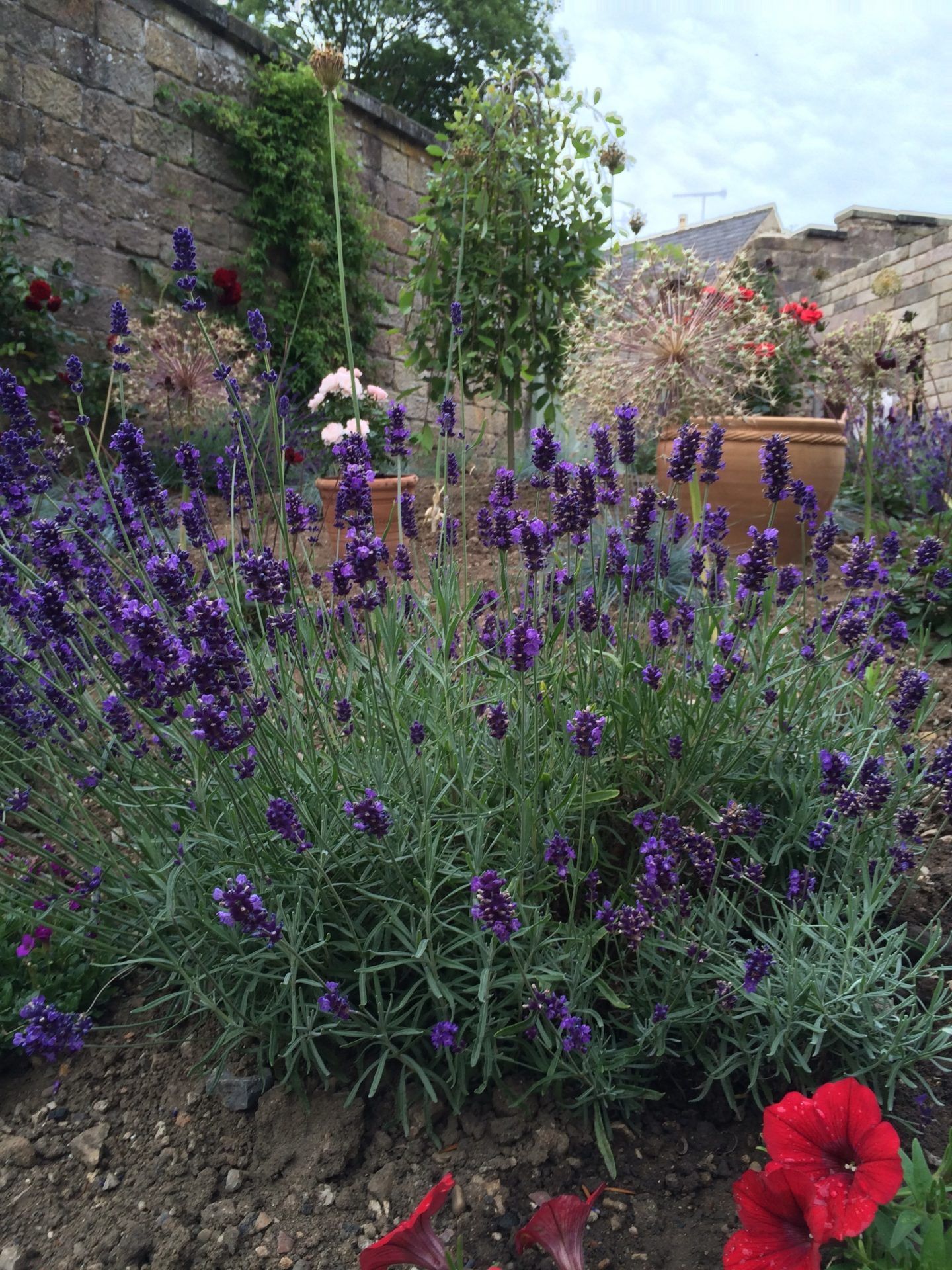
The gardens provide an important habitat for birds, insects and pond life, with frogs, dragonflies and visiting herons all regularly seen here, although we keep our pond netted. Mature planting, layered borders, woodland edges and the pond help create a rich and peaceful ecosystem that changes beautifully through the seasons.
As custodians of the gardens, we see ourselves not only as preserving a historic landscape, but also as helping it continue to thrive for future generations.